

Small-Batch Cooking for Seniors Living Alone

Cooking for one can be tricky. I know because my hubby is often away on business for up to a week, and I end up eating the same meal for 5 days!

You certainly don’t always want a large pot of food sitting in the fridge for days.
You may not want to eat the same meal over and over.
And buying ingredients for one person can sometimes feel wasteful.

That’s where I found that small-batch cooking can help.

Small-batch cooking simply means making enough food for one or two meals instead of cooking a large amount.
It is not about complicated meal planning.
It is not about filling the freezer with containers.

And it is not about cooking more than you actually want.
It is about making food feel manageable when you live alone or are alone for a while.

For many seniors, that can make everyday meals feel much easier. I have many single elderly friends and they have found this idea to be a winner!

🍲 1. Cook Just Enough for Today and Tomorrow

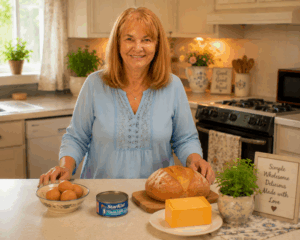
granny madlyn with basic ingredients

You do not have to cook a big batch every time you make a meal.

Sometimes the best amount is just enough for:
• one meal now
• one meal tomorrow
• one small portion for the freezer

That can feel much more realistic than cooking a huge casserole or a large pot of soup.
Small-batch cooking is especially helpful if you get tired of leftovers quickly.
A little extra can be useful.
Too much extra can become another problem.

If you are cooking for one after 60, the goal is to make food easier, not to fill the fridge with meals you don’t really want.

You may also find this helpful:
Cooking for One After 60

🥘 2. Choose Meals That Are Easy to Scale Down

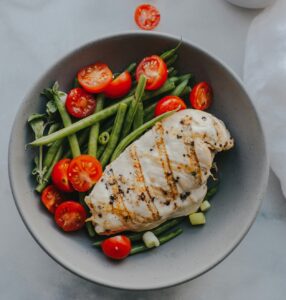
simple chicken meal for seniors

Some meals are easier to make in small amounts than others.

Good small-batch meal ideas include:
• scrambled eggs
• soup for one or two servings
• pasta with vegetables
• rice bowls
• baked potatoes
• omelettes
• toast with toppings
• small casseroles
• stir-fried vegetables with chicken
• tuna or egg salad

These meals are flexible because you can make a small amount without needing a long list of ingredients.

You can also adjust them based on what you already have.

If you want simple meal ideas, this article may help:
Easy Meals for Seniors Living Alone

Simple Small-Batch Cooking Ideas for Seniors Living Alone

Situation Small-Batch Idea How Much to Make Why It Helps
You want dinner and lunch tomorrow Soup or stew Two servings Gives you one meal now and one easy meal later
You don’t want too many leftovers Scrambled eggs on toast One serving Quick to make with very little waste
You have vegetables to use up Small pasta or rice bowl One or two servings Uses what you already have without making a large meal
You want something filling Baked potato with toppings One potato Simple, flexible, and easy to adjust for one person
You want a freezer option Single portions of soup or sauce One serving per container Easy to defrost when you don’t feel like cooking
You need a light meal Yogurt, fruit, and toast One serving Feels complete without cooking a large meal

🧊 3. Use Leftovers Without Letting Them Take Over

Leftovers can be helpful, but only if they still feel useful.

If you cook too much, leftovers can start to feel like a chore.

A better approach is to make leftovers on purpose, but keep them small.

For example:
• cook one extra chicken breast
• make one extra baked potato
• save one small bowl of soup
• keep a little extra rice
• make enough pasta for lunch the next day

That gives you a head start without filling the fridge.

Small leftovers can become:
• lunch tomorrow
• a quick dinner
• a soup addition
• a sandwich filling
• a simple snack plate

This can also help reduce food waste, especially when you live alone.

You may find this useful:
How Retirees Can Reduce Food Waste and Save Money

🥔 4. Keep Flexible Ingredients on Hand

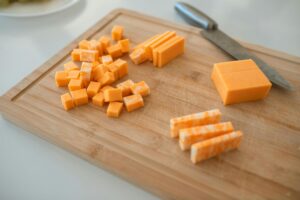
cheese cubes for picnics with grand children and for seniors planning meals for one

Small-batch cooking is easier when you keep ingredients that can be used in more than one way.

Helpful flexible foods include:
• eggs
• bread
• potatoes
• rice
• pasta
• canned tuna
• beans
• cheese
• yogurt
• frozen vegetables
• soup
• oats

These foods can be used in different meals without needing a complicated plan.

For example:
• eggs can become breakfast, lunch, or dinner
• bread can become toast, sandwiches, or soup on the side
• potatoes can become a meal with simple toppings
• frozen vegetables can be added to soup, rice, pasta, or eggs

This is why a simple pantry and fridge can make cooking for one much easier.

You may find these helpful:
Senior-Friendly Pantry Staples
Senior-Friendly Fridge Guide

🍳 5. Make One Small Meal Feel Complete

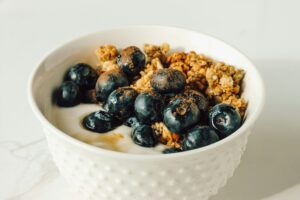
yogurt bowl with berries and nuts

A small meal does not have to feel unfinished.

You can make a simple plate feel more balanced by adding one or two easy extras.

For example:
• soup with toast
• eggs with fruit
• yogurt with oats
• baked potato with cheese
• tuna with crackers
• pasta with frozen vegetables
• rice with beans
• toast with peanut butter and banana

You do not need to cook a big meal for it to feel satisfying.

Sometimes a small plate with protein, something filling, and a little fruit or vegetable is enough.

If you are looking for simple ideas throughout the day, this page may help:
Meals for Seniors Living Alone

🧮 6. Use a Simple “Half Recipe” Rule

Many recipes are written for four or more people. I know, it’s a pain when they assume everyone has a family to cook for!

That can feel frustrating when you live alone.

A simple way to make recipes easier is to cut them in half.
For example:
• use half the pasta
• use one or two eggs instead of four
• use one small potato instead of several
• use half a can of beans and save the rest
• make a smaller amount of sauce
• use a small baking dish instead of a large one

You do not have to be perfect with measurements.

For everyday cooking, close enough is often fine.

The point is to make the recipe fit your life, not the other way around.

🥣 7. Use Smaller Pots, Pans, and Dishes

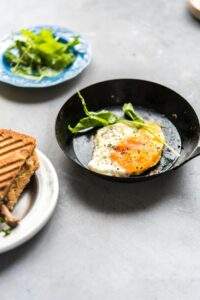
small pan for a single egg

How cute is this small pan for a single egg! I can’t do without mine – it’s a game changer.

Small-batch cooking feels easier when your cookware matches the amount of food you are making.

A huge pot for one bowl of soup can feel like too much.

Helpful options include:
• a small saucepan
• a small frying pan
• a small baking dish
• one or two microwave-safe bowls
• lightweight plates
• smaller storage containers
This can also make cleanup easier because you are not washing oversized pans for a small meal.

If cleanup is one of the reasons cooking feels tiring, this article may help:
Easy Cleanup Tips for Seniors After Cooking

🛒 8. Buy Smaller Amounts When You Can

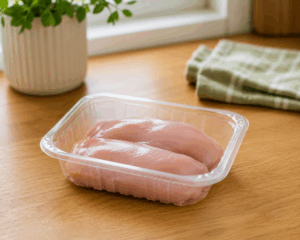
small pack of chicken for one

Small-batch cooking starts before you cook.

It starts with shopping.

When you live alone, it can help to buy smaller amounts of foods that spoil quickly.

That might mean:
• buying loose fruit instead of a large bag
• choosing a small loaf of bread
• buying a small pack of cheese
• choosing frozen vegetables instead of fresh if you waste fresh ones
• buying single yogurts instead of a large tub
• choosing smaller packs of meat or fish
This does not mean you have to shop more often.

It simply means choosing amounts that match what you realistically eat.

If grocery shopping feels overwhelming, you may find this helpful:
Smart Grocery Shopping for Seniors

🧊 9. Freeze Small Portions, Not Huge Ones

Freezing food can be helpful, but only if the portions are easy to use later.

Instead of freezing a large container of soup or casserole, try freezing smaller portions.

Good freezer-friendly small portions include:
• one serving of soup
• one serving of cooked rice
• one portion of pasta sauce
• one cooked chicken breast
• one small casserole portion
• a few slices of bread
Small portions are easier to defrost and less likely to be wasted.

They also give you an easy option on days when you don’t feel like cooking.

If you often have low-energy days, this article may help:
What to Cook When You Have No Energy

Remember!

Small-batch cooking does not have to be perfect.
You may still cook too much sometimes.
You may still forget something in the fridge.
You may still decide you don’t want leftovers after all.
That is normal.
The goal is not to run your kitchen like a restaurant.

The goal is to make cooking feel easier when you live alone.
If you can make one simple meal today and maybe one small portion for tomorrow, that is enough.

Small meals count.

Small portions count.

Small steps count too.

🧾 Quick Small-Batch Cooking Ideas

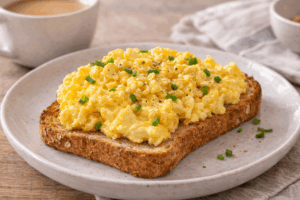
scrambled egg on toast - a great breakfast for seniors

• Make soup for two servings
• Cook one extra potato
• Scramble one or two eggs
• Make a small pasta bowl
• Use half a can of beans
• Freeze soup in single portions
• Buy loose fruit instead of large bags
• Use a small baking dish
• Keep frozen vegetables ready
• Turn leftovers into lunch

Keep it simple. That is what makes small-batch cooking easier to keep doing.

🔗 Helpful Next Steps

If you’re looking for more simple meal ideas throughout the day, I’ve shared them here:

Cooking for One After 60

Meals for Seniors Living Alone

Easy Cleanup Tips for Seniors After Cooking

Eating a variety of foods can help support energy, strength, and overall wellbeing as we get older.

Frequently Asked Questions

1. What is small-batch cooking for seniors?

Small-batch cooking means making smaller amounts of food, usually enough for one or two meals. It can help seniors living alone cook more comfortably without wasting food or filling the fridge with too many leftovers.

2. Why is small-batch cooking helpful when living alone?

Small-batch cooking is helpful because it makes meals feel more manageable, reduces food waste, and avoids the problem of eating the same leftovers for too many days.

3. What are easy small-batch meals for one person?

Easy small-batch meals include scrambled eggs, soup for one or two servings, baked potatoes, small pasta bowls, rice bowls, omelettes, sandwiches, and yogurt with fruit.

4. How can I avoid wasting food when cooking for one?

Buy smaller amounts when possible, use flexible ingredients, freeze single portions, and cook just enough for today and tomorrow instead of making large batches.

5. Can small meals still be healthy?

Yes, small meals can still be nourishing when they include simple foods like eggs, yogurt, soup, beans, vegetables, fruit, whole grains, or protein-rich toppings.

Do y’all try small batch cooking? I’d love to hear from you! You can message me on Facebook or send a mail to appliancegranny@gmail.com. 

Madlyn Appliance Granny

Written by Appliance Granny – Madlyn is a tech-savvy senior with 30+ years of experience running an IT business. She combines her love of cooking and family with a mission to make kitchens safer, simpler, and more joyful for seniors.

toaster waffles can be warmed up in a toaster with wide slots

Frozen Toaster Treats

Why not get creative and use your toaster for something far more exciting than bread? My grandkids love these treats and they are so easy…
Read More »