



One-Pot Meals for Seniors: Easy, Nutritious, Low-Cleanup Cooking

Hi Again – Do you agree with me? Cooking should be comforting – not exhausting!

But when you’re cooking for one or two, dealing with stiff joints, or simply feeling worn out by the end of the day, even a simple meal can start to feel like too much effort.

That’s where one-pot meals quietly shine.

One pot. One meal. Fewer dishes to wash. Less standing at the stove. Less lifting of hot pans. And still a warm, nourishing dinner that feels like real food – not a shortcut you regret later.

For seniors and grandparents who want meals that are easy, sensible, and kind to their energy levels, one-pot cooking is one of the smartest (and safest) habits you can adopt.

Why One-Pot Meals Are Ideal for Seniors

One-pot meals aren’t trendy – they’re practical. And for seniors, practicality matters more than fancy presentation.

Whether you live alone or cook for two, one-pot meals make everyday cooking feel manageable again.

Here’s why they work so well:

  • Less lifting and carrying – fewer heavy pots and pans
  • Minimal cleanup – no pile of dishes waiting afterward
  • Shorter standing time – many meals gently simmer on their own
  • Safer cooking – fewer burners, fewer steps, fewer spills
  • Budget-friendly – simple ingredients, fewer leftovers wasted

What Makes a One-Pot Meal Truly Senior-Friendly?

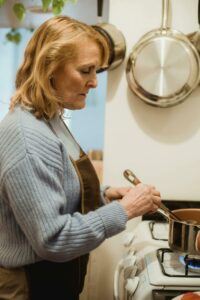
senior cooking a tasty one pot meal

Not every one-pot meal is automatically a good fit. Some are still fiddly, heavy, or overly complicated.

A senior-friendly one-pot meal usually has these qualities:

  • Soft, tender textures that are easy to che
  • Simple steps – no juggling timers or multiple stages
  • Short ingredient lists you can remember at the store
  • Even cooking without constant stirring
  • Leftovers that reheat well


My personal tip!

I always think that if a meal can quietly simmer while I sit down with a cup of tea, it’s doing its job properly.

Safety Matters in One-Pot Cooking

One-pot cooking also reduces common kitchen risks. Fewer hot surfaces, fewer trips between stove and sink, and less lifting all lower the chance of spills or strain.

Keeping meals simple isn’t just convenient – it’s safer.

The Best Types of One-Pot Meals for Seniors

Instead of focusing on individual recipes, it helps to think in categories. These are the one-pot styles that consistently work well for seniors (and me!)

Soups and Stews

Gentle heat, soft vegetables, and plenty of moisture make soups and stews ideal. They’re forgiving, filling, and easy to portion for later meals.
 
Who doesn’t love a hearty stew on a cold evening! 

One-Pot Rice and Pasta Dishes

Rice and pasta absorb flavour as they cook, meaning fewer steps and no draining. Perfect for simple, comforting dinners.

Skillet Meals

Everything cooks in one wide pan, making it easy to see what’s happening. Great for quick meals with vegetables and protein.

Slow Cooker One-Pot Meals

Add ingredients, switch it on, and let your slow cooker do its magic while you relax and enjoy the day.
 
I find that my slow cooker is especially helpful on low-energy days.

Sheet-Pan “One-Dish” Meals

While technically baked in an oven, they still count – one tray, one meal, minimal cleanup, and very little hands-on time.

Simple One-Pot Meal Ideas (No Fuss Required)

In my experience, you don’t need dozens of recipes to eat well. A few dependable ideas can carry you through the week.
 
One-pot meals also make it easier to adjust texture. Cooking a little longer, chopping vegetables smaller, or adding extra liquid can make meals more comfortable to chew and digest – something many seniors quietly struggle with.
 
Some of my senior-friendly favorites that you may want to try out:

Chicken and vegetable stew

Heres a great simple chicken and vegetable stew that you can make with no fuss or stress. I often mix it up and add other seasonal veggies, depending on what I have in the pantry!

Lentil soup with carrots and spinach

I love a lentil soup, ‘cause it’s filled with super healthy veggies, and it’s tasty!

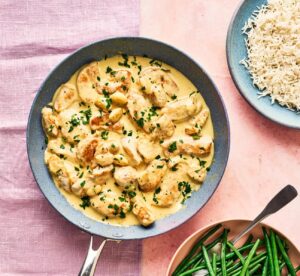
Creamy chicken and rice

This creamy chicken and rice is another good example of a comforting one-pot meal that reheats well and doesn’t require complicated steps.
 
It’s a great recipe from Natasha’s Kitchen, that’s so easy to make. 

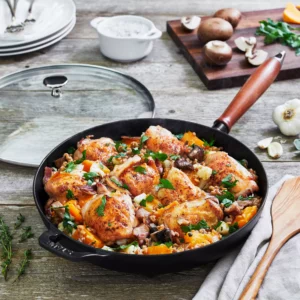
Sausage and mixed vegetable skillet

A sausage and mixed vegetable skillet is quick to cook, full of flavor, and easy to adapt – you can use whatever vegetables you already have and let everything soften together in one pan.

Beef and barley soup

Beef and barley soup is slow-cooked comfort food at its best, with tender meat, soft grains, and a nourishing broth that’s easy to eat and even better the next day.
 
Each of these uses everyday ingredients, cooks gently, and tastes even better the next day.
These examples are simply to show the style of meal that works well – you can easily adapt ingredients and seasoning to suit your own needs.

Cooking Once, Eating Twice (or Three Times)

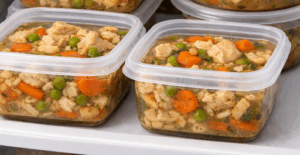
one pot meal stored for reheating
One of the biggest advantages of one-pot meals is that they’re made for leftovers – especially important when you’re cooking for one or two.
 
This is exactly how I cook most weeknights now – one pot, enough for today, and a portion or two for later in the week when I don’t have time to cook.
 
It’s a real game changer for me, knowing that I have a meal ready in the fridge that just needs heating up!
 
Smart habits to remember:
 
  • Dividing meals into smaller containers while food is fresh
  • Refrigerating what you’ll eat within two days
  • Freezing single portions for later
  • Reheating gently to keep food tender
This saves money, reduces waste, and means you’re not cooking from scratch every single day.

Common One-Pot Mistakes Seniors Can Avoid

A few small adjustments make one-pot meals much more enjoyable.

Overfilling the Pot – Crowded pots cook unevenly. Use a medium-sized pot and leave room for stirring.

Using Pots That Are Too Heavy – Large pots full of food can strain wrists and shoulders. Two handles are often safer than one long handle.

Rushing the Cooking Time –Gentle simmering leads to softer vegetables and better flavor – there’s no prize for speed here.

Over-Seasoning – Flavors intensify as food cooks down. It’s easier to add seasoning later than fix a salty meal.

My Kitchen Tip!

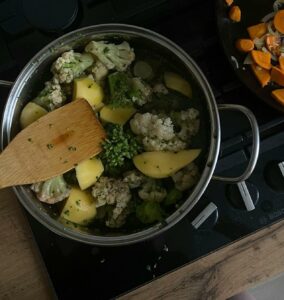
one pot veggies - make lots and store for another day

A medium-sized pot with two sturdy handles is often the safest and most comfortable choice for everyday cooking. It’s easier to lift, easier to control, and less likely to tip or spill – especially when you’re moving hot food.

Sometimes the simplest tools make the biggest difference.

Simple, Sensible Cooking That Works for Real Life

One-pot meals won’t solve everything, and they don’t need to. Their real value is consistency – making it easier to eat well most days, without feeling worn out by the process.

One-pot meals aren’t about cutting corners – they’re about cooking in a way that respects your time, energy, and independence.

When meals are easier to cook and easier to clean up, you’re far more likely to keep cooking for yourself – and that matters.

Simple food. One pot. Less stress.

That’s good cooking at my age (or any age!)

Please share your ideas with me on Facebook or Instagram. I’d LUV to hear what tricks and tips you have when cooking one-pot meals.

If your grandkids are coming over for the day, they may not love these ultra-healthy meals! Why not try some of my fun recipes to make with grandkids

Frequently Asked Questions

1. Are one-pot meals healthy for seniors?

Yes – they can be very healthy when you build them around lean protein, vegetables, and fiber-rich carbs like beans, lentils, brown rice, or potatoes. One-pot meals also make it easier to control salt and portion sizes.

2. What are the best one-pot meals for seniors living alone?

The best options are meals that reheat well and can be portioned easily, such as soups, stews, lentil dishes, chicken and rice, and one-pot pasta. They help you cook once and eat twice without extra effort.

3. How do I make one-pot meals easier to chew and digest?

Cook ingredients a little longer so everything turns tender and soft, chop vegetables smaller, and choose gentler proteins (like shredded chicken, soft fish, eggs, or beans).

Soups and stews are especially easy on chewing.

4. How long do one-pot meals last in the fridge or freezer?

Most one-pot meals keep well for up to 3–4 days in the fridge if stored promptly in a sealed container.

Many also freeze beautifully for about 2–3 months in single portions for quick, low-effort meals later.

Madlyn Appliance Granny

Written by Appliance Granny – Madlyn is a tech-savvy senior with 30+ years of experience running an IT business. She combines her love of cooking and family with a mission to make kitchens safer, simpler, and more joyful for seniors.

nutritious smoothies - green detox smoothie

Nutritious Smoothies

Blend your way to health with these nutritious smoothies. Are you looking for a quick, easy, and delicious way to get your daily dose of…

Read More »