




Is shopping fun? It can be… depending on what you need to buy. But, grocery shopping can be a daunting task, especially when you get older. It can quickly become tiring, expensive, and frustrating.
Large supermarket aisles. Oversized packaging. Special offers that only make sense for families of four. And then the disappointment of food spoiling before it’s used.
Smart grocery shopping isn’t about strict budgeting or complicated meal planning. It’s about buying realistically, choosing foods that work for your lifestyle, and reducing waste so your kitchen feels manageable.
When shopping becomes calmer and more intentional, cooking becomes easier too.
I used to shop the way I did when my household was full – and it took me a while to realize my fridge didn’t need to be that crowded anymore.
If I know the grandchildren are coming around, I do stock up… but most weeks, I try to keep shopping light and easy.
Why Grocery Shopping Changes After 60
As life changes, so do eating habits.
You may be:
• Cooking for one or two instead of a family
• Eating smaller portions
• Managing energy levels more carefully
• Avoiding heavy lifting
• Watching food waste more closely
The way you shopped at 40 often doesn’t fit at 60 or 70(!) – and that’s perfectly normal.
A few small adjustments make a big difference.
Start With Meals - Not the Aisles
One of the simplest ways to shop smarter is to think in terms of meals, not ingredients.
Instead of wandering through the store and hoping meals will “appear,” ask yourself:
• What will I realistically cook this week?
• How many dinners do I need?
• Which meal can stretch into two servings?
For example:
• A pot of soup can cover two lunches
• A chicken and rice dish can become tomorrow’s dinner
• A tray of roasted vegetables can be reused in several ways
Shopping with meals in mind reduces impulse buying and helps everything get used.
I’ve found that when I shop with three or four clear meal ideas in mind, I come home with exactly what I need – and very little goes to waste.
Buy Smaller Quantities (Even If It Costs Slightly More)
Bulk discounts are not always savings.
Large bags of salad, giant loaves of bread, or oversized packs of fresh produce often spoil before they’re finished.
It’s usually smarter to:
• Buy smaller portions of fresh food
• Choose loose produce instead of pre-packed
• Use frozen vegetables when appropriate
• Select half-loaves or smaller dairy containers
Spending a little more per unit is often cheaper than throwing food away. I’ve learned that paying a little more for a smaller portion often saves far more in wasted food.
Keep a Core List of Reliable Staples
Smart shopping becomes much easier when you have a short list of dependable basics.
Keeping a short, reliable list of basics has made my weekly shopping calmer and far less overwhelming.
Examples might include:
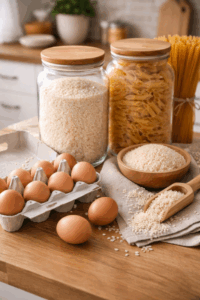
• Eggs
• Potatoes
• Onions
• Carrots
• Tinned beans or lentils
• Rice or pasta
• A simple protein (chicken, fish, or mince)
With just a few reliable staples, you can build multiple simple meals without complicated recipes.
My Tip: Consistency reduces stress!
Choose Foods That Store Well
• Tinned tomatoes
• Dried or tinned legumes
• Root vegetables
• Oats
• Shelf-stable soups
Think About Handling and Lifting
Heavy multi-packs, large bottles, or bulky containers can strain wrists and shoulders.
Look for:
• Smaller milk containers
• Lightweight packaging
• Easy-open lids
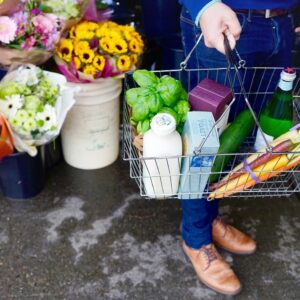
• Reusable shopping bags that aren’t overloaded
Plan for Leftovers - On Purpose
• Two fresh meals
• One make-ahead meal
• One repeat meal from leftovers
Avoid the “Just in Case” Trap
Before placing something in your trolley, ask:
• When will I use this?
• Does it fit into a meal I’ve planned?
• Will it still be fresh in five days?
We want to Stay Independent!
When your fridge contains food you will actually cook – and in quantities you can comfortably manage – your kitchen feels calmer.
Buy thoughtfully.
Cook simply.
Waste less.
And let your kitchen work for you.
Frequently Asked Questions
1. How often should seniors go grocery shopping?
2. Is it cheaper to buy in bulk as a senior?
Not always. Bulk buying only saves money if the food is actually used. For smaller households, buying modest quantities often prevents spoilage and unnecessary spending.
Smart shopping has less to do with budgeting and more to do with protecting your energy for the things that matter.
3. What are the best pantry staples for seniors?
4. How can seniors avoid food waste?
Planning meals before shopping, buying smaller portions, freezing leftovers, and choosing foods that store well all help reduce waste and make cooking more manageable.
Written by Appliance Granny – Madlyn is a tech-savvy senior with 30+ years of experience running an IT business. She combines her love of cooking and family with a mission to make kitchens safer, simpler, and more joyful for seniors.
13 Ways for Seniors to Organize Your Kitchen
As an older person, I don’t want to waste energy when I don’t have to. Running around a disorganized kitchen can use up loads of…
20 Kitchen Hacks To Save Time
I love searching Instagram for hacks and tips for my home. Here are 20 ideas I found for the kitchen. They range from breakfast tips…
Make-Ahead Meals for Seniors: Cook Once, Eat Well All Week
Cooking every single day isn’t always realistic – especially when you’re cooking for one or two, managing your energy, or simply don’t feel like starting…
11 Simple Steps to Set Up a Senior-Friendly Kitchen
Do you have elderly parents or retired friends who love to cook? A cluttered kitchen and disorganized can easily become a hazard, where accidents can…