


Cooking every single day isn’t always realistic – especially when you’re cooking for one or two, managing your energy, or simply don’t feel like starting from scratch each evening.
That’s where make-ahead meals quietly make life easier.
Cooking once and enjoying several meals from it isn’t about shortcuts or batch cooking marathons. It’s about planning gently, reducing daily effort, and making sure you always have something nourishing ready when you need it.
For many seniors, make-ahead meals are one of the simplest ways to keep eating well without turning cooking into a chore.
Why Make-Ahead Meals Work So Well for Seniors
Make-ahead cooking supports independence in ways people don’t always realize.
When meals are prepared ahead of time, you benefit from:
• Less daily fatigue – no need to cook from scratch every day
• Fewer decisions – dinner is already sorted
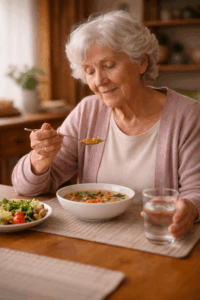
• Better nutrition – less temptation to skip meals or snack instead
• Reduced kitchen risks – fewer hot pans and sharp tools each day
• Less food waste – ingredients get used properly
It’s not about eating leftovers endlessly – it’s about giving yourself breathing room.
I’ve learned that saving energy for eating well matters more than proving I can cook from scratch every day.
What Makes a Meal Suitable for Making Ahead?
Not every meal is a good candidate for make-ahead cooking. Some dishes dry out, some lose texture, and others simply don’t reheat well.
Meals that work best tend to be:
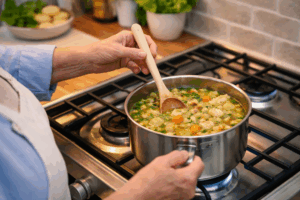
• Moist and saucy (soups, stews, casseroles)
• Soft in texture, or easy to soften further
• Evenly cooked, not reliant on last-minute steps
• Stable flavors that improve overnight
• Easy to portion into smaller servings
My Appliance Granny Tip:
If a meal tastes just as good – or better – the next day, it’s a keeper.
Make-Ahead Meals vs. Everyday Leftovers
There’s a subtle but important difference.
Leftovers happen accidentally.
Make-ahead meals are planned.
When you cook with the intention of eating a meal again:
• Portions are more sensible
• Food is stored properly from the start
• Reheating is easier and safer
This small shift in mindset makes make-ahead meals feel like a system, not an afterthought.
Once I started cooking with tomorrow in mind, meals stopped feeling like a daily hurdle and I started enjoying my time in the kitchen!
Types of Make-Ahead Meals Seniors Often Enjoy
Instead of focusing on individual recipes, it’s more helpful to think in categories. Too many recipes can confuse you (I know!) and then you start getting stressed and anxious.
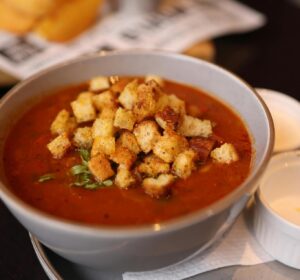
Soups and Stews
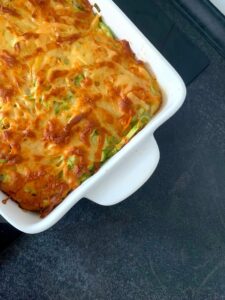
Casseroles and Bakes
One-Pot Rice or Pasta Dishes
Slow Cooker Meals
How to Portion Make-Ahead Meals Comfortably
• Dividing meals while food is still warm (but not hot)
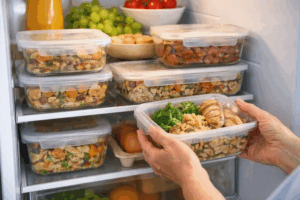
• Using smaller containers rather than one large one
• Labeling containers if freezing
• Storing only what you’ll realistically eat in the next few days
Reheating Safely and Gently
To keep meals comfortable and safe:
• Reheat slowly rather than on high heat
• Stir halfway through to prevent hot spots
• Add a splash of water or broth if food has thickened
• Stop reheating once food is hot – not boiling
Gentle reheating keeps food tender and reduces the risk of burns or spills.
Common Make-Ahead Mistakes (and How to Avoid Them)
Cooking Too Much at Once
Choosing the Wrong Containers
Expecting Every Meal to Freeze Well
Make-ahead meals aren’t just about being organized – they’re about making life a little easier on days when energy runs low.
Forgetting About Texture
My Thoughts!
On days when your energy is low, your hands ache, or you simply don’t feel like cooking, having a proper meal ready can make all the difference.
A little planning today often means a much easier tomorrow.
Simple Cooking That Supports Independent Living
Cook once.
And let food work for you, not against you.
Frequently Asked Questions
1. Are make-ahead meals healthy for seniors?
2. How many days can make-ahead meals be kept in the fridge?
Most make-ahead meals can be safely kept in the fridge for 3 to 4 days when stored promptly in sealed containers. Meals with sauces, soups, and stews tend to keep particularly well.
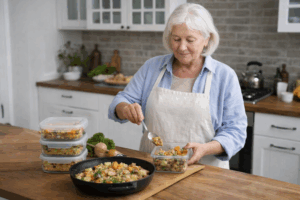
This is how I cook most weeks now – one proper cooking session, then a few calm, low-effort meals ready when I need them.
3. Do all make-ahead meals need to be frozen?
4. What types of make-ahead meals are easiest for seniors?
Meals that are soft, moist, and reheat evenly are usually easiest. Soups, stews, one-pot rice dishes, casseroles, and slow-cooker meals tend to be the most comfortable to eat and simplest to manage.
Written by Appliance Granny – Madlyn is a tech-savvy senior with 30+ years of experience running an IT business. She combines her love of cooking and family with a mission to make kitchens safer, simpler, and more joyful for seniors.
Air Fryer Crispy Chicken Breasts
Crispy chicken breasts are one my family’s favourite meals. I always cooked them in the classic way in a large pot of boiling oil, but…
Slow Cookers for Seniors: Set It and Forget It!
Getting older, for me, means I look for convenience and simplicity! Cooking can become a challenging task, especially when energy levels fluctuate or physical limitations…
Tasty Toasted Breads From Around The World
Tasty Toasted Breads From Around The World Today, I am taking my taste buds on a trip with a look at tasty toasted breads from…
13 Fun Recipes to Cook with Your Grandkids
There’s nothing quite like the joy of cooking with your grandkids—it’s part kitchen magic, part happy chaos, and all love! Whether you’re making breakfast pancakes,…